The Second Attempt That Made the Difference: PGP PRO Application Lessons

PGP PRO
The Second Attempt That Made the Difference: PGP PRO Application Lessons
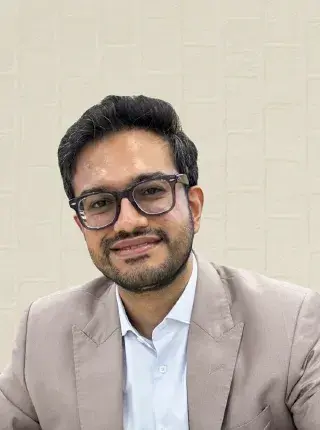
Authored by:
Rahul Saxena
Co'26
Theme:
Application Readiness
My first ISB application was a disaster of my own making. Last round, last day, filled out in a single sitting. I treated it like a form, filled it with the right words in the right boxes, and submitted it before midnight. No interview call. I deserved that outcome.
Two years later, I sat in a black suit at the ISB Delhi interview venue, staring at another candidate across the waiting area. He was older, clearly more senior, probably earning twice what I did. I later found out he did not make it. That told me something important about what ISB looks for, and it is not the most impressive resume in the room.
There Was Never a Plan B
Between the first rejection and the second application, I did what I should have done the first time: actual research. I spoke to alumni, current students, and professionals across every executive MBA programme in India. The IIMs require full-time residential commitments. FMS needs you on campus six evenings a week. Most other programmes are entirely online.
ISB PGP PRO was the only Tier 1 programme that let me stay in my city, attend in-person classes with faculty who had flown in to teach, working through problems alongside peers I could look in the eye, and continue my job without a career break. Weekend classes, campus residencies, international immersion, and full alumni status. Once I confirmed the logistics, ISB became my single focus. The only remaining hurdle was the selection process itself.
The Second Attempt
The second time around, I gave myself three to four months. To my surprise, the application ended up being a much-needed reality check.
I started calling family and close friends, asking them pointed questions about my strengths and blind spots. I dug up every professional milestone across eight years at KPMG and Deloitte. Where did I grow? Where did I stagnate? What did I actually want from the next five years?
When I first applied, I saw the MBA as a magic wand. Get the credential, become successful. The second time, I realised that thinking was exactly why I did not get an interview. ISB does not want people who think the programme will transform them on its own. It wants people who know precisely what they need from it and can articulate how they will extract that value.
The essay iterations were relentless. I tried consultants. None of them worked for my profile. The breakthrough came when I stopped writing what I thought admissions wanted to hear and started writing what was true: the startup that failed, the delivery I botched early in my career, the clarity that came from loss.
A lot was changing in my personal life as well. I got married in 2023. My goals were shifting rapidly, and the application process captured all of that in a way nothing else could have. It gave me the kind of self-awareness I imagine people seek in a Vipassana, except with a deadline.

The Interview Room
Walking into the interview, I realised my months of reflection were my biggest asset. You cannot rely on rehearsed answers or try to guess the panel's framework. The conversation will test your clarity of thought and your professional judgment under pressure. Amongst other things, you should ideally know precisely why you need this programme at this exact point in your career. You need to be ready to defend your choices and articulate how you plan to manage the rigour of the programme alongside your current workload. My biggest takeaway for prospective applicants? Do not prepare to just recite your resume. Prepare to discuss the 'why' behind your career shifts and your non-negotiables for the future. Having watched my sister navigate ISB, sacrificing sleep, weekends, and social life to extract every ounce of value from it, I knew exactly what I was signing up for. That conviction made all the difference.

What I Would Tell Someone on the Fence
If you are qualified on paper but unsure about applying, the application process itself will give you your answer. You will end up calling people you haven't spoken to in years, quantifying achievements you took for granted, and finding mentors you didn't realise you needed.
Give yourself plenty of time, because a thorough internal audit of your career takes time. Don't just fill in the blanks; treat this as a baseline assessment of where you started, where you stalled, and what you actually want to build next. Getting in was the goal; I’m exactly where I wanted to be, but the clarity I gained during those months of applying is what actually prepared me for the rigour of the cohort.
Synopsis
Rahul Saxena, a Manager at Deloitte India's Disruption Office – Innovation team, applied to ISB PGPPRO twice. His first attempt was a rushed, last-day submission that yielded no interview. His second, built over months of deliberate reflection, research, and self-examination, earned him a place in the Delhi Co’ 26. He now leads the Business Technology Club at ISB and credits the application process itself as a turning point in his professional clarity.